An overview of lending criteria and lifetime mortgage eligibility
Placing Clients with Annex Properties
Discover how annexes can impact lifetime mortgages.

Simon Pawson
10 Dec, 2025
Subscribe to our Newsletter on all things later finance
Join our monthly newsletter today.
By subscribing, you agree to our Privacy Policy and to receive our newsletter.
Annexes can offer versatile, cost-effective solutions for families looking for multi-generational living solutions, as they enable independent living for elderly relatives, adult children, or carers while keeping everyone close and socially connected. Families can also be eligible for Council Tax discounts or exemptions or benefit from Multiple Dwellings Relief on Stamp Duty Land Tax if buying a property with an annex.
Over-55s may be looking to borrow against their home that includes an annex and there are some key considerations later life advisers need to be aware of when it comes to lifetime mortgage eligibility and lending criteria.
Annexes: Definition and use considerations
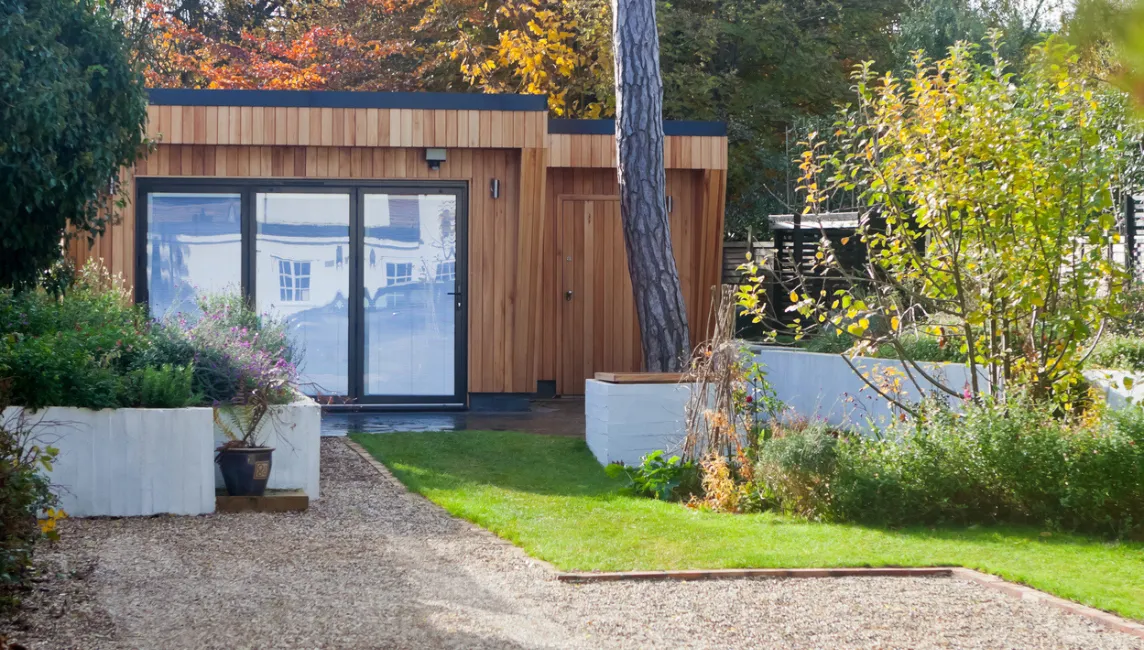
An annex also known as an outbuilding or granny flat is defined as a secondary living space attached to or within the grounds of a main residential property. It is designed to provide additional accommodation but differs from a standard extension because it functions as a distinct living space rather than simply enlarging the main home. We are guided by the surveyor as to whether or not they consider a space an annexe or not.
-
Self-contained annexes: Has its own kitchen, bathroom, separate entrance and is often part of the main dwelling but sometimes considered as a multi-unit property, i.e. main home plus fully equipped annex.
-
Non-self-contained or integrated annexes: Clearly part of the main home (either with a kitchenette or no cooking facilities) and typically qualifies for standard residential mortgages.
-
Live-in lodgers: Some of our lifetime mortgages like Heritage accept annexes that are let to a lodger or used as holiday homes for income provided the annex meets the overall lending criteria. None of our lifetime mortgages accept Assured Shorthold Tenancies (ASTs). It’s good to exclude the income from the annex in affordability calculations for the lifetime mortgage.
-
Annex status: Annexes frequently require planning approval. As lenders, we are guided by the surveyor who will be reviewing full documentation including available amenities and how recent any additions were added to determine which proof, i.e. building regulations, are needed. A lack of documentation could cause valuation issues or lender refusal. You can support your client to collate this documentation before the valuation begins to prevent delays.
Important distinction: While an annex is often single-storey, it is not classed as a one-storey extension. A one-storey extension enlarges the main property and integrates fully with it, whereas an annex serves as a separate living space with its own functional identity.
Our lending criteria on annexes
Annexes can provide financial benefits by adding substantial property value (according to sold.co.uk this can be between 20 to 30%), and can serve as a cheaper alternative to care homes or renting.
Property valuers will be assessing whether the annex adds to the property’s overall value to identify future resale appeal. While lenders like Pure Retirement need to know if utilities are shared or separate as this can impact which lifetime mortgage is best suited. Here is a helpful overview of the current lending criteria across our lifetime mortgages (please note, correct as of time of writing and subject to change).
Classic lifetime mortgages – Acceptable:
-
Provided it is occupied by family or friends who have signed a deed of consent
-
Must be suited to the main property*
-
No more than 2 units (main property and annex) in total
-
The annex must be on the same council tax as the main property
-
Share all utilities
-
The annex cannot be let
Sovereign lifetime mortgages – Acceptable:
-
Must be suited to the main property*
-
Single storey only
-
No more than 2 units (main property and annex) in total
-
The annex must be on the same council tax as the main property
-
Share all utilities
-
If attached to the main property, there must be internal access, and occupants must be family members or associated carers
-
The annex cannot be let
Emerald lifetime mortgage – Acceptable:
-
Must be suited to the main property*
-
No more than 2 units (main property and annex) in total
-
The annex must be on the same council tax as the main property
-
Share all utilities
-
The annex cannot be let
Heritage lifetime mortgage – Can be considered:
-
Must be suited to the main property*
-
No more than 2 units (main property and annex) in total
-
The annex must be on the same council tax as the main property
-
Share all utilities
-
Annexes can be let* up to a maximum of 2 occupiers subject to further review and provided funder’s approval has been given prior to letting starting. (e.g., Airbnb type lets can be considered on successful review)
* When we speak of an annex being suited to the main property, we mean that the annex should complement the main property in terms of size, style, and functionality, ensuring it fits well within the overall living space and environment.
Please always cross-reference with our lending criteria tool and product documentation, which you can review through our lifetime mortgages pages. Lending criteria is subject to change, and the overview above serves as a guideline rather than a guarantee.
Lending criteria considerations for properties with a single-storey extension
Single-storey extensions are helpful for over-55s as they can serve as a cost-effective alternative to moving by providing extra living space, allow modernisation through open spaces or upgraded layouts of rooms, or create accessibility improvements to the home and add energy efficiency to the property.
Our lending criteria on single-storey extensions can be summarised* across our lifetime mortgages as follows:
-
The extension must be structurally sound and comply with both building regulations and planning permissions.
-
Must blend well with the design and functionality of the main property.
-
The extension should generally maintain valid insurance coverage and meet fire safety standards.
*Please refer to our official product documentation when sourcing a lifetime mortgage to ensure eligibility.
Key requirement: A surveyor must confirm the extension is well‑constructed and doesn’t require major remedial work. Please be aware of roof-type and flat-roof proportions, as these can affect eligibility of the lifetime mortgage application (especially under Classic's 50% flat roof rule). Learn more about roof types in our flat-roof and lifetime mortgage eligibility blog>
Using released funds for extensions
Clients may choose to use equity release funds to build a single-storey extension on their property. The following lending criteria applies:
-
Extension must be single storey only.
-
The property must remain habitable during the works.
-
Extension/alterations are to be in keeping with the property and must not breach lending criteria, i.e. bedroom count, flat roof percentage.
-
The build must comply with building regulations and have appropriate planning permissions.
-
The extension must not increase the overall footprint by more than 25%.
Frequently asked questions for multi-functional properties
While the aim of this article is to provide a general overview of placing annexes in the later life lending industry, you may have more specific questions. Here are some helpful frequently asked questions, and for faster answers use our criteria tool to look up specific lending criteria or contact us directly.
Can an annex affect the maximum release amount on a lifetime mortgage?
Yes. Some lenders may reduce the available loan-to-value if the annex is self-contained or considered non-standard, as this can impact resale appeal. Advisers should check product-specific criteria and confirm whether the annex adds or detracts from overall property value during valuation. As Pure offers multiple lifetime mortgages, annexes generally don’t affect the maximum release amount, however, you can discuss specific cases with your dedicated Intermediary Sales Team to confirm.
Are properties with two kitchens acceptable?
Across Pure’s lifetime mortgages the following lending criteria is reviewed when assessing properties with two kitchens.
-
A second kitchen in a property due to religious reasons can be considered.
-
A kitchen in an annex can be considered (subject to annex criteria being met).
Do annexes need separate insurance or compliance checks?
Generally, annexes should be covered under the main property’s insurance policy, provided they meet building regulations. If the annex has separate utilities or is let out, some insurers may require additional cover. Advisers should confirm compliance and insurance arrangements with their clients before submitting an application to ensure eligibility.
Does having an annex affect means‑tested benefits after equity release?
If a client releases equity from a property with an annex, the lump sum increase in savings or income could affect eligibility for benefits like Pension Credit, Universal Credit, or Council Tax Reduction. Advisers can model the impact of the annex in valuation and coordinate with benefit specialists to mitigate any potential impact on clients’ means-tested benefits.
Explore more lending criteria insight for placing clients
To support financial advisers working in the later life lending market, we’ve developed a collection of lending criteria blogs to provide helpful overviews of key criteria questions.
Learn more about flood zones and lifetime mortgage eligibility, how proximity to commercial properties can impact lifetime mortgage applications, and what to consider when reviewing properties that are listed building or have thatched roofs.
You can also stay up to date with the later life finance market with our quarterly equity release market trend reports. Explore the latest market trends here>
Our resources
Explore more of our resources tailored to supporting equity release advisers like you in succeeding.

 4 minute read